When installers say yes, and when they say wait
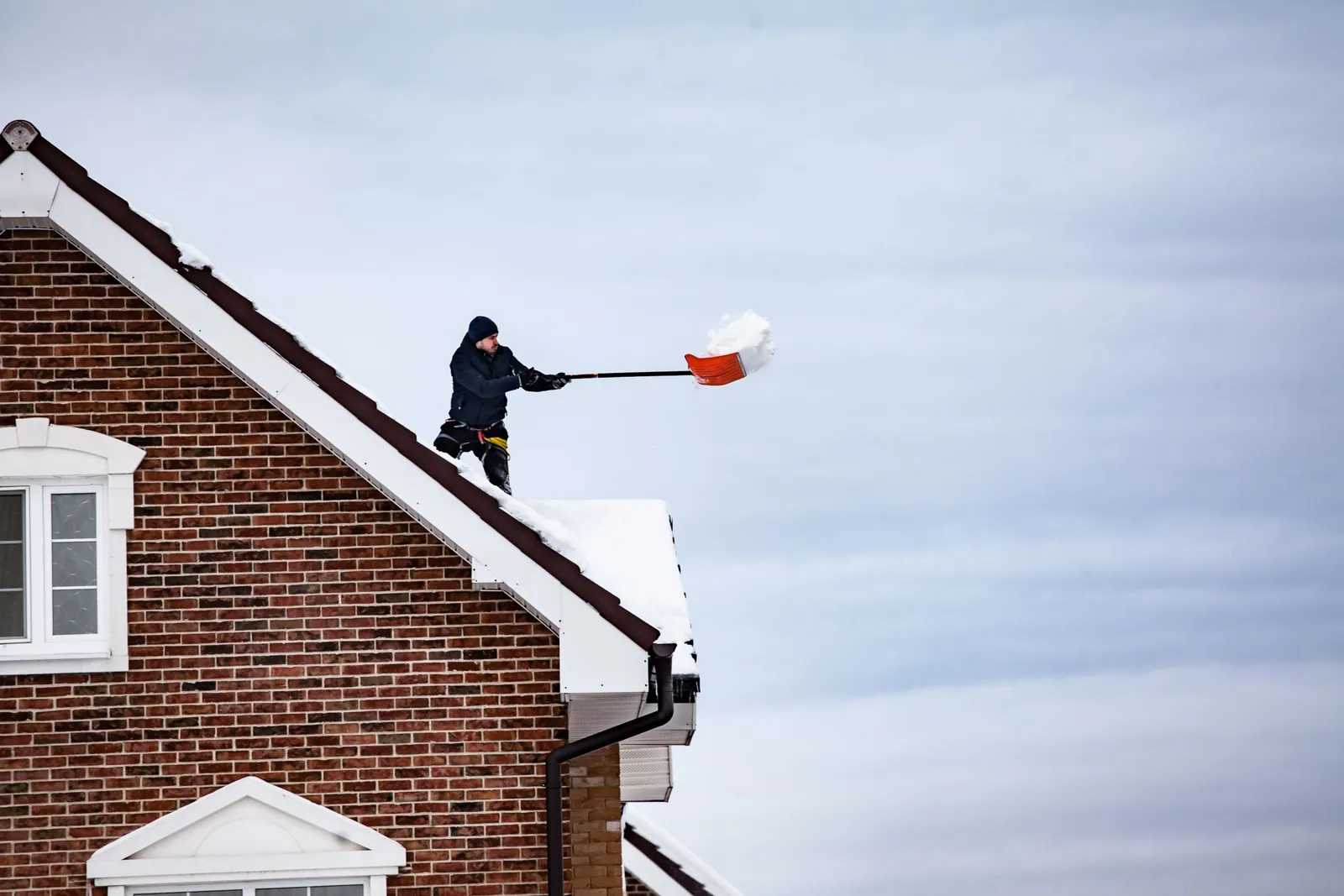
Angi’s gutter guard cost guide (updated October 7, 2026) says gutter pros are typically busiest in spring and fall, so labor can cost more then, and that installing in winter or summer may save money. Its caveat is the important one: if your region gets a lot of snow and ice, winter installation can be impossible. So the real question is not the month, it is whether the gutters and roof edge are clear and dry on the day.
| Season | Upside | Downside |
|---|---|---|
| Fall (Sept–Oct) | Guards go on before the leaves do. GutterDome, a guard maker, says to book in late summer or early fall, before the first frost. | One of the two busiest seasons for gutter work (HomeGuide’s gutter guard guide, Angi’s gutter guard cost guide), so prices can be higher. |
| Winter (Dec–Feb) | Quieter calendar. HomeGuide’s LeafFilter guide says you may see lower estimates in winter and summer. Angi’s gutter guard cost guide says winter can save money. | Snow or ice on the gutters or roof edge can stop the job entirely (Angi). GutterDome says cold makes materials brittle and sealants refuse to bond. |
| Late winter (Feb–Mar) | Angi calls late winter or early spring the typical off-peak window, when contractors may offer lower rates. | GutterDome calls spring the backlog season: homeowners who noticed problems over winter all call at once, so waits can stretch. |
| Summer | Also a quieter season with possible savings (Angi). | GutterDome notes aluminum in direct July sun can reach 140°F or more. |
The sources disagree about spring: Angi lists late winter or early spring as off-peak, while HomeGuide and Angi both call spring busy and GutterDome calls it the backlog season. Our read: book a late-winter date in January or February, get the date window in writing, and expect to reschedule if there is ice. Guard makers sell guards, so treat their claims as a seller’s view.
Does winter change the price?
The cost guides publish one price range, not a month-by-month one. Angi’s gutter guard cost guide puts standard installs at $6 to $13 a foot, with an average of $1,521 (3,206 projects, updated October 7, 2026). Our calculator prices 180 feet of local micro-mesh at about $830 to $3,025, and HomeGuide’s gutter guard guide puts name-brand systems at $15 to $45 a foot. What changes is how much room you have to ask for a better deal: HomeGuide’s LeafFilter guide says you may see lower estimates in summer and winter, and This Old House lists booking in the off-season among its ways to save.
No guide we found publishes a typical off-season percentage, so do not assume one. Ask each installer for the same job quoted for two dates, one in late winter and one in fall, and compare. If a salesperson offers a same-day discount, that is a different thing: see our gutter guard quote checklist.
What a winter install needs to go right
- Dry, ice-free gutters. If snow or ice sits in the gutters or on the roof edge, reschedule (Angi).
- Packed debris cleared first. GutterDome notes that debris left in the channel can freeze into solid blocks, which then block drainage.
- A temperature answer in writing. The guides we read give no national minimum temperature, so ask the installer what the product’s fasteners and any sealant are rated for. GutterDome says winter makes sealants refuse to bond properly.
- A weather clause. Ask for a date window and what happens if the day is iced or wet.
Timing by region
This Old House’s regional guide (updated June 18, 2026) suggests:
- Northeast: after leaf drop but before snow, to avoid ice and spring-melt problems.
- Midwest: early fall, to handle heavy leaf drop and freezing.
- South: late spring, to prepare for hurricane season.
- West: spring, to clear dry debris before the hot, dry summer.
If you are past that window in a snowy state, the same guide says snowy climates need stronger brackets or reinforcements for the added weight, and that homeowners in snowy or coastal regions usually benefit more from professional reinforcement and weather-resistant hardware.
If you already have guards, this winter
- You usually do not need to take guards off for winter, says This Old House. Clear late-fall debris first and check attic insulation, because guards do not stop ice dams.
- Remove snow buildup at the roof edge only as needed, and carefully, so you do not damage the guards.
- Be ready for freeze-thaw clogs, and for gutters pulling away under heavy wet snow.
- In spring, inspect for cracked material and loose fasteners, and clean off pollen and seed pods. See how to clean gutter guards.
Icicles and ice at the eave are a roof and attic question first. Our pages on gutter guards and ice dams and heated gutters vs gutter guards cover what actually works and what it costs.
Wait, book for later, or do it now?
- Wait for spring if you are in heavy snow country, the gutters are iced over, or the installer cannot tell you the product’s cold-weather limits.
- Book now for a later date if you want off-season pricing and a flexible calendar. Get the date window in writing.
- Do not wait if water is already spilling or backing up under the shingles. Find the cause first. In winter that is often attic heat loss, not the gutter.
- DIY kits can wait for a dry spring weekend. Do not climb on frost. Compare store kits on Costco and Home Depot, and see DIY vs pro.
- Gutter guard cost calculatorPrice your house before you book
- Gutter guard cost by statePublished regional figures
- Do gutter guards cause ice dams?What starts a dam, and what to fix first
- Heated gutters vs gutter guardsHeat cable and guard costs
Common questions
Can gutter guards be installed in winter?
Yes, on dry days when the gutters and roof edge are free of snow and ice. Angi warns that in regions with a lot of snow and ice, winter installation can be impossible. If the installer cannot work safely, expect a reschedule rather than a rushed job.
Is it cheaper to install gutter guards in winter?
Possibly. Angi says winter or summer installs may save money and that off-peak is typically late winter or early spring, when contractors may offer lower rates. HomeGuide says you may see lower estimates in winter and summer because fall and spring are busiest. No guide publishes a standard discount, so ask for quotes for two dates.
What temperature is too cold to install gutter guards?
We found no national minimum in the cost guides. GutterDome, a gutter guard maker, says cold makes materials brittle and sealants refuse to bond. Ask the installer for the product’s rated minimum for fasteners and any sealant, and get it in writing.
What is the best month to install gutter guards?
It depends on where you live. This Old House suggests after leaf drop but before snow in the Northeast, early fall in the Midwest, late spring in the South and spring in the West. A guard maker recommends September or October. Angi points to late winter or early spring for lower rates.
Do gutter guards cause or prevent ice dams?
Neither. This Old House says guards do not reliably prevent ice dams, which start when heat escaping through the roof melts snow that refreezes at the cold eave. A solid cover can hold snow and ice at the edge. See our page on gutter guards and ice dams for what to fix first.
Should I take gutter guards off in winter?
Usually not. This Old House says you do not usually need to remove guards in winter, but if ice dams are a recurring problem you may need a professional evaluation to see whether removal or adjustments would help drainage.
Season and cost notes from Angi’s gutter guard cost guide (updated October 7, 2026), HomeGuide’s gutter guard guide (February 4, 2026) and HomeGuide’s LeafFilter guide. Off-season saving tip from This Old House’s installation cost guide. Regional timing, winter care and ice-dam notes from This Old House’s regional guide (updated June 18, 2026), This Old House’s long-term maintenance guide (updated October 30, 2026) and This Old House’s snow guide (November 11, 2026). Seller’s view from GutterDome (September 22, 2026). All checked November 28, 2026. Photos: Pexels 10739887 (Sergey Platonov) and Pexels 8711223 (Eathan Hood), Pexels License. These are US planning figures, not quotes. This site is not affiliated with any gutter guard company and earns nothing from them.